Microsoft Officially Allows Windows 11 On Apple Silicon Macbooks, But Only Through Parallels
Microsoft Officially Allows Windows 11 On Apple Silicon Macbooks, But Only Through Parallels
If you’re waiting for Boot Camp – bad luck.
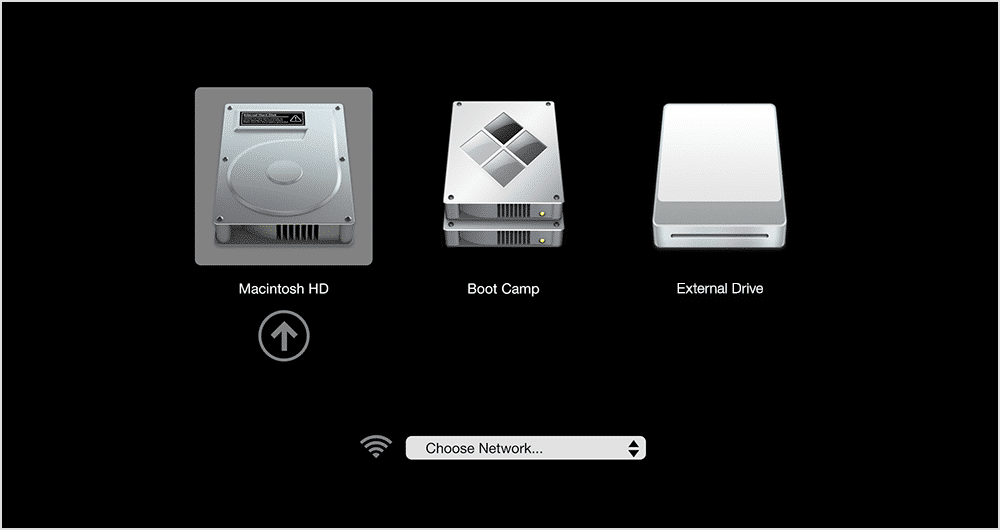
macOS users prior to Apple’s ARM switch have always had the option to boot into Windows through a feature called “Boot Camp” – which lets Windows runs on a hardware-level for minimum performance overhead. Since Macbooks transitioned into Apple’s in-house M-series SoCs though, that isn’t an option.
Up until now, those who use M1 or M2 Macs can run Windows 11 through a third party app called Parallels, which is a VM (virtual machine) that operates within its host system. In a support article, Microsoft has christened Parallels Desktop 18 as the software of choice to run the ARM versions of Windows 11 officially.
Of course, there’s a reason why Boot Camp exists. This ARM flavor of Windows 11 running on Macs will come with some fairly severe limitations – first up, 32-bit ARM apps are no-go: that part is on Microsoft as the company is phasing out 32-bit apps on ARM versions of Windows moving forward. Any external devices won’t work unless relevant Windows drivers are installed; you can’t run VM on top of VM (such as WSL, WSA, VBS); DirectX 12 or OpenGL 3.3 are just plain unsupported – so no games for you. Some performance overhead is a given, as the VM will have to fight against its host system for resources.
Alternatively, Microsoft offers its Windows 365 service which runs the OS on cloud, so you’re effectively remote-controlling a PC somewhere inside Microsoft’s servers. If your use case requires a native system – this may be your only option going forward.
Pokdepinion: I guess it makes sense now that Microsoft would much rather sell you a pay-monthly cloud service than a pay-once OS license after all.


![[UPDATED: Statements] Forza Horizon 6 Dev Drops Multi-Millennial Ban Hammer To Cheater Before The Game Has Even Released - 58](https://cdn.pokde.net/wp-content/uploads/2026/05/12022254/fh6leakpermabancover-420x280.jpg "[UPDATED: Statements] Forza Horizon 6 Dev Drops Multi-Millennial Ban Hammer To Cheater Before The Game Has Even Released - 59")